Visite
RUINES DU CHÂTEAU-FORT
- Historical sites and monuments
GALIE
About
Listed as a Historic Monument.
Ruins of a 13th- and 14th-century fortified castle, listed in 1970
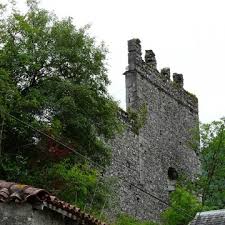
Château de Galié is a medieval building located in the commune of Galié, in the Haute-Garonne region of France. Built between the late 13th and early 14th centuries, it belonged to the Fronsac castellany. This fortified castle, now in ruins, featured irregular rubble stone walls reinforced with dressed granite chains. The loopholes were framed by similar blocks, and the southern facade featured a crenellated rectangular wall overlooking the curtain wall.
The defensive structure of Château de Galié was typical of Pyrenean fortifications of the period, with no corner towers. The southern curtain wall extended eastwards to a postern, while the other parts of the enclosure were probably used as quarries by the villagers. The site was listed as a historic monument by decree on 23 November 1970, although it is now privately owned.
The village of Galié, part of the Fronsac châtellenie, illustrates the strategic importance of fortified castles in the Pyrenees during this period. These fortifications were used to control territories and protect local populations, often organised around lords or feudal structures. Galié castle, although partially destroyed, remains an architectural testimony to this troubled period, marked by local conflicts and increased defensive needs.
Labels & Categories
- Historical sites and monuments