Comminges in Prehistory
the discovery of prehistory
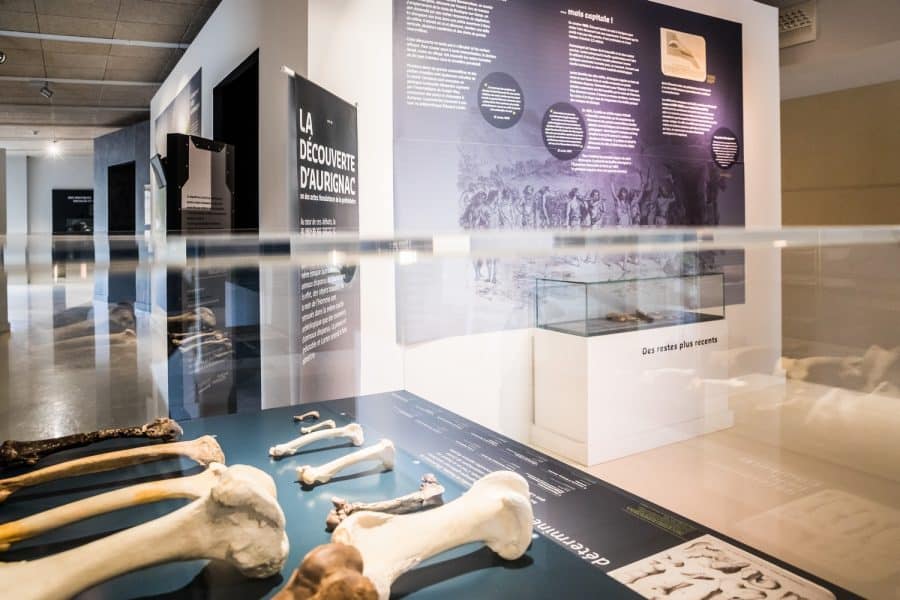
The story of the discovery of prehistoric humans in Comminges begins in 1852, when Jean-Baptiste Bonnemaison found bones in a rabbit burrow.
The story begins not far from Aurignac, when he pulled bones from a rabbit burrow. Digging further, he discovered the entrance to a rock shelter containing a collective burial and the remains of extinct animals.
In 1860, the famous paleontologist Édouard Lartet discovered, scattered in the ashes of a hearth, knapped flint tools and reindeer antler tools; the remains of meals from a group gathered around the fire, and fragments of cave bear, mammoth, cave hyena, woolly rhinoceros… Édouard Lartet believed that a funerary meal was held at each burial.
This major discovery definitively proves the existence of prehistoric humans, beyond the few millennia described in the Bible. In 1906, after a heated scientific debate, Aurignac gave its name, becoming the eponym of the Aurignacian.
The site’s reputation grew, notably at the 1867 World’s Fair, where Lartet gave Aurignac pride of place by presenting the material found during the excavation.
In 1913, the Aurignac site became the eponymous site of the Aurignacian. The objects discovered there define the first material culture of modern humans in the Upper Paleolithic timeline, between 38,000 and 28,000 years ago.
The site was designated a Historic Monument in 1921, but then fell into obscurity until new excavations led by Fernand Lacorre were conducted in front of the rock shelter in 1938–1939. These excavations confirmed two distinct periods of occupation: one during the Aurignacian period and a more recent one during the Neolithic period.
Many sites
No surprise that Comminges is full of prehistoric sites showing that humans have been here for a very long time
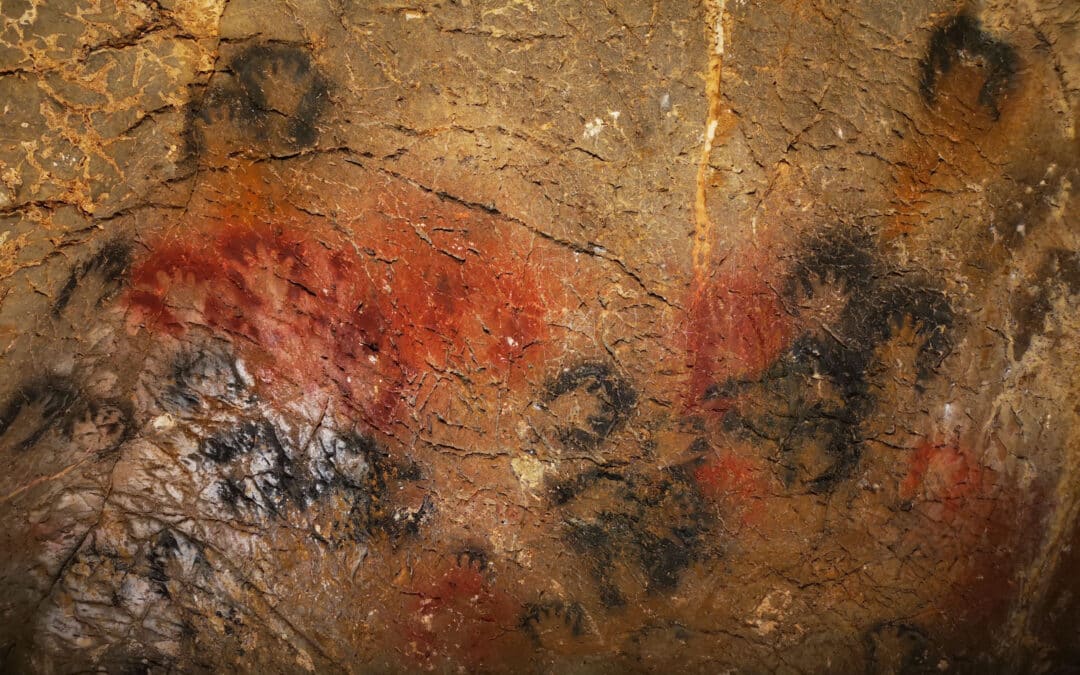
Nestled in the fertile and welcoming plains within easy reach of the Pyrenees, numerous welcoming shelters allowed prehistoric humans to find refuge in the Comminges region. As a result, the area can now boast world-class sites such as the Aurignac rock shelter and its museum, as well as the Gargas Cave. Just a short walk from Aurignac lie the fascinating Save Gorges, where the famous Venus of Lespugue was discovered.
Don’t miss the Aurignacian Museum, the Montmaurin Museum , and the Gargas and Nesploria Caves, where you can learn more about prehistory and take part in workshops led by researchers…