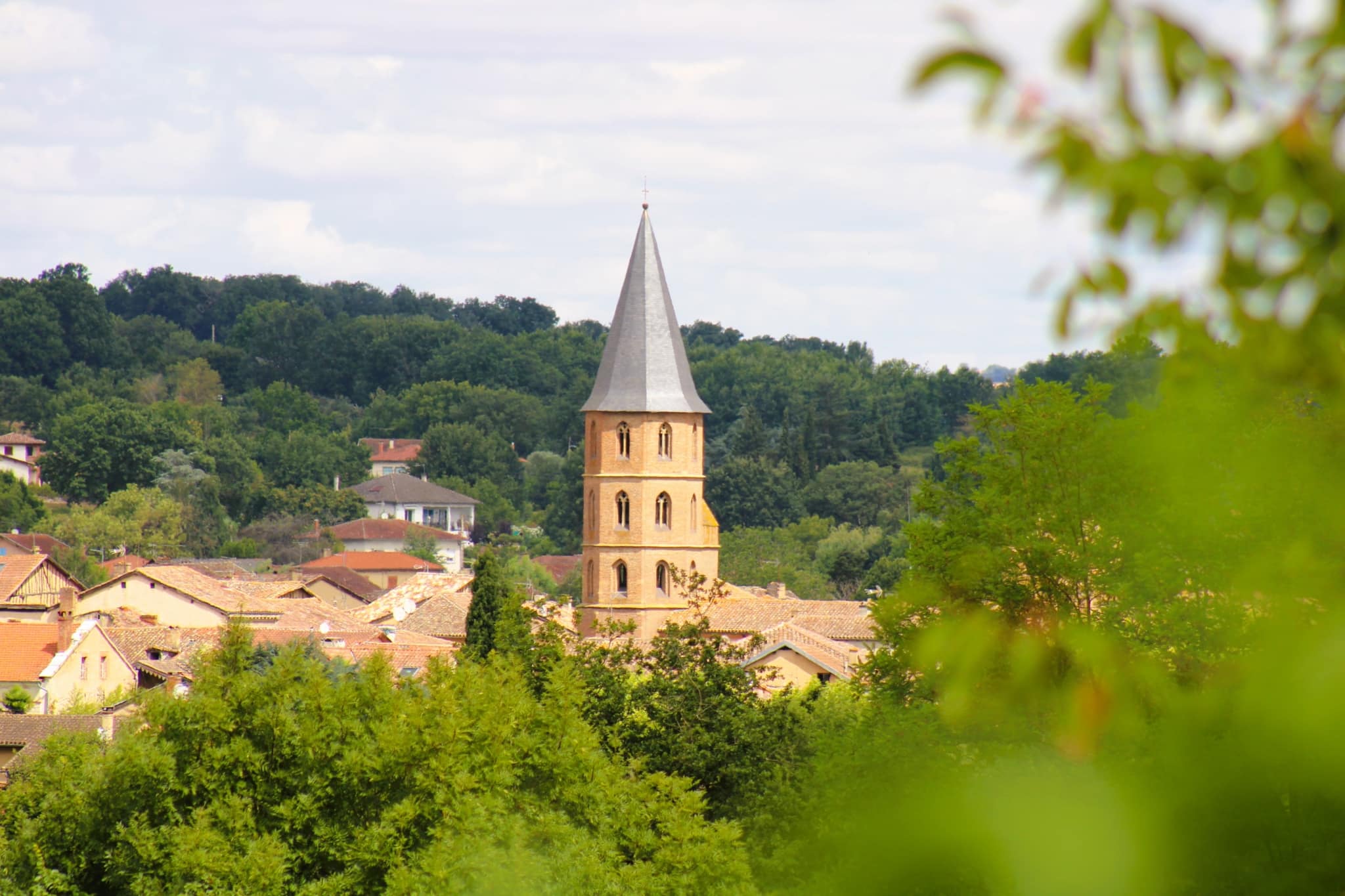
Visit L’Isle-en-Dodon
Located 40 minutes from Saint-Gaudens and 1 hour from Toulouse and the Pyrenees, the town of L’Isle-en-Dodon offers breathtaking views of the Pyrenees mountain range from its heights.
A town bordering the Gers department, the colors of the hillsides make it feel as though you’re in that neighboring department, showcasing the diversity of landscapes in Haute-Garonne.
Designated a “Station Verte,” it has everything you need for a vacation surrounded by nature!
L’Isle-en-Dodon and its historic downtown
This downtown area is home to more than a thousand years of history.
Stroll through the medieval streets to explore this historic heritage. A family scavenger hunt is available at the tourist office to help you learn about the historical significance of what you see during your walk, while having fun with the kids.
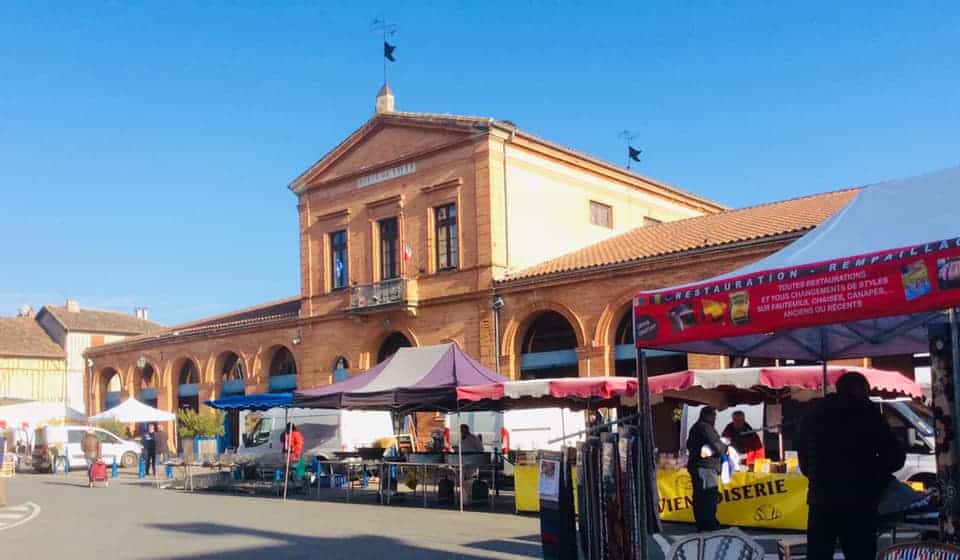
If you visit on a Saturday morning, take advantage of the weekly market to shop for local products available at the stalls run by farmers and artisans.
Stop for a drink on a café terrace and enjoy the market atmosphere, which is sometimes enlivened by a concert. Have a picnic by the lake if the weather is nice, or eat at one of the town’s restaurants (dine-in or takeout).
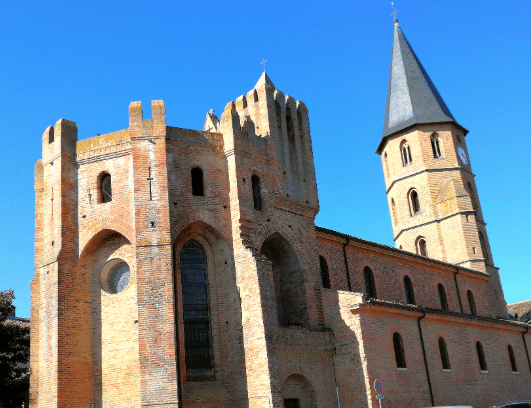
If you visit when the market isn’t in session, you’ll have plenty of time to explore the town—head to the church, where the 16th-century bell tower and the 19th-century Magén organ are listed as historic landmarks, take note of the deep, intense colors of the 16th-century stained-glass windows attributed to Arnaud de Moles or his students, and the 15th-century wooden Pietà.
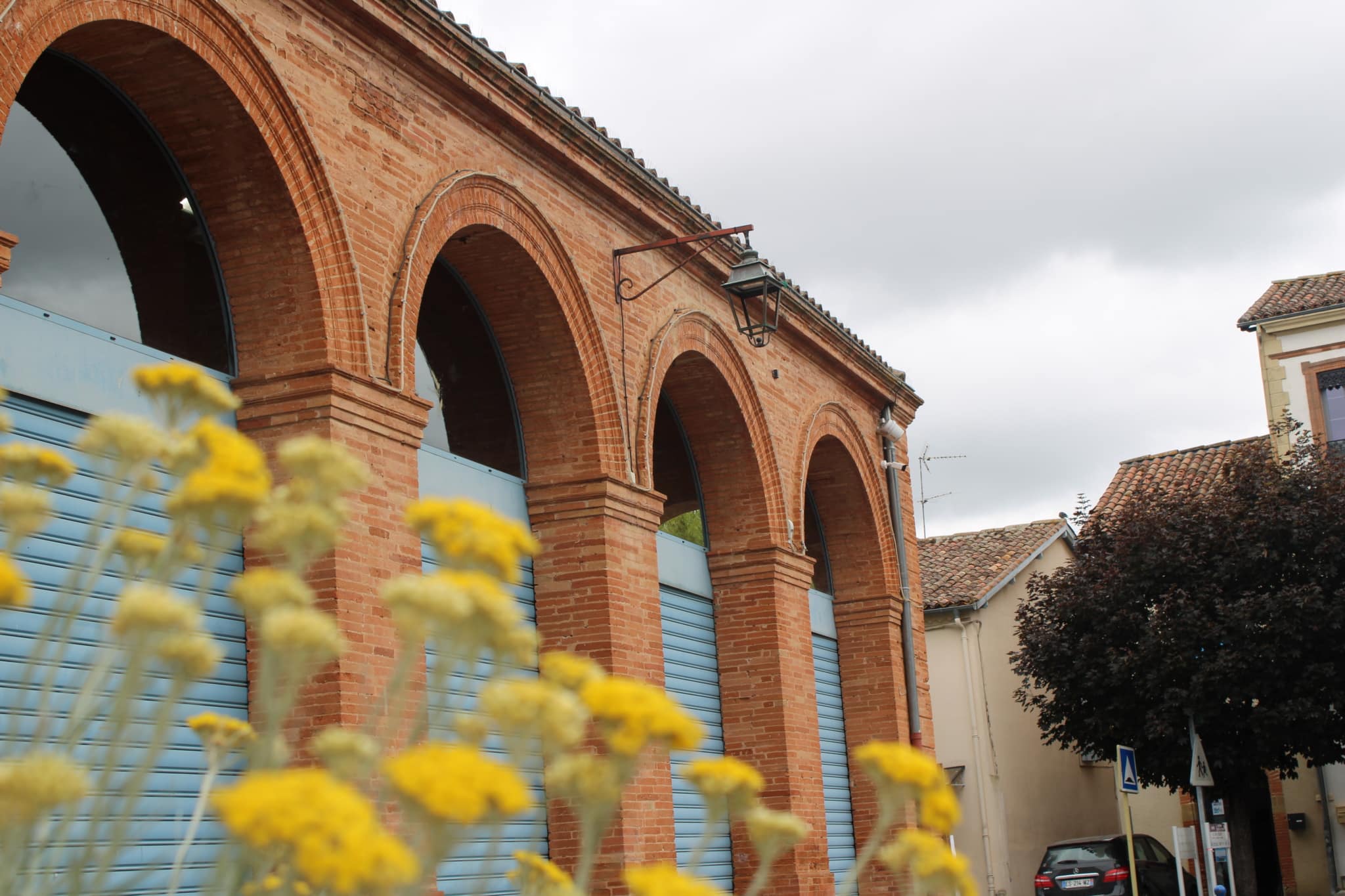
Continue on to the town hall, built in the 19th century; its two market halls are still in use on market days.
Push open the reception door and enter the town hall; go up to the wedding hall, which features frescoes by René Gaston-Lagorre, the Ariège painter who created them in the 1940s, as well as in other nearby villages, such as the church in Saint-Laurent-sur-Save
A little history…
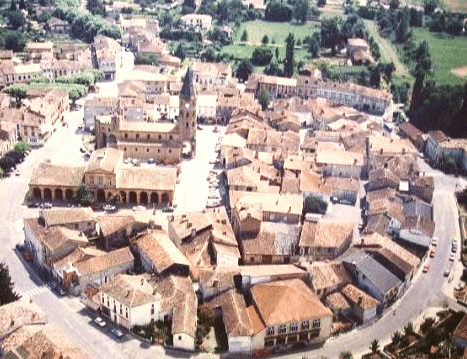
One might think that L’Isle-en-Dodon is a bastide, but its circular center and the streets that converge there tell a different, older story.
Let’s go back to the beginning…
Before the Counts of Comminges, the town was an ancient “sauveté” located in the Saint-Adrien neighborhood, where the cemetery is now situated and where the first church, known as the Church of Saint-Adrien, once stood. A cross still stands at that site.
The first fortified settlement, or Castrum de Insula, is the original medieval structure of L’Isle-en-Dodon. Long before Bernard Dodon’s 12th-century stone-and-brick fortress, the site featured a wooden seigneurial building or an early fortified structure (a motte or enclosure) designed to guard the valley. Built from the late 10th century through the 11th century under the leadership of the Counts of Comminges, it was a defensive and residential complex adapted to a unique geographical configuration. The town, naturally enclosed by the course of the Save River and a secondary branch—which has since become a canal—gives it the appearance of an island.
Dodon of Samatan gave his name to the city…
With the arrival of Dodon of Samatan, Count of Comminges, under the name Bernard III in the 12th century, Castrum de Insula became L’Isle-en-Dodon. The original palisades and fortifications were reinforced with masonry, and the castral complex merged with the new fortified castle. A primitive chapel already existed within the enclosure; it was dedicated to Saint Barbara. The church’s Romanesque sacristy (dating from the 12th century) is, in fact, a direct remnant of this ancient castle chapel.
At the end of the 13th century, Bernard VII undertook construction work—completed at the beginning of the 14th century (1307)—for his fortified castle; this includes the military apse. The choir and the apse of the church are true fortress structures. They incorporate elements of classical military architecture: arrowslits (loopholes) cut directly into the brick for archers and large windows above the arches connecting the buttresses to monitor the banks of the Sava River. The octagonal bell tower was built in the 14th and 15th centuries; this monumental, four-story tower served as a porch, a symbol of the count’s power, and an impregnable watchtower. Following the collapse of the Church of Saint-Adrien in the Saint-Adrien neighborhood, the Chapel of Sainte-Barbe—which had been expanded to include the apse and bell tower—took the name Saint-Adrien, by which it is known today.
Bernard VIII, Count of Comminges, built the Sainte-Quitterie Hospital in 1299—where the Saint-Adrien nursing home stands today—and later, around 1330, the Jacobins Convent, of which only a few remnants remain today within private residences, but whose shops on Rue du Bourguet and the buildings facing the Place du Château were expanded in the 19th century, built directly against the convent walls.
Taste local produce
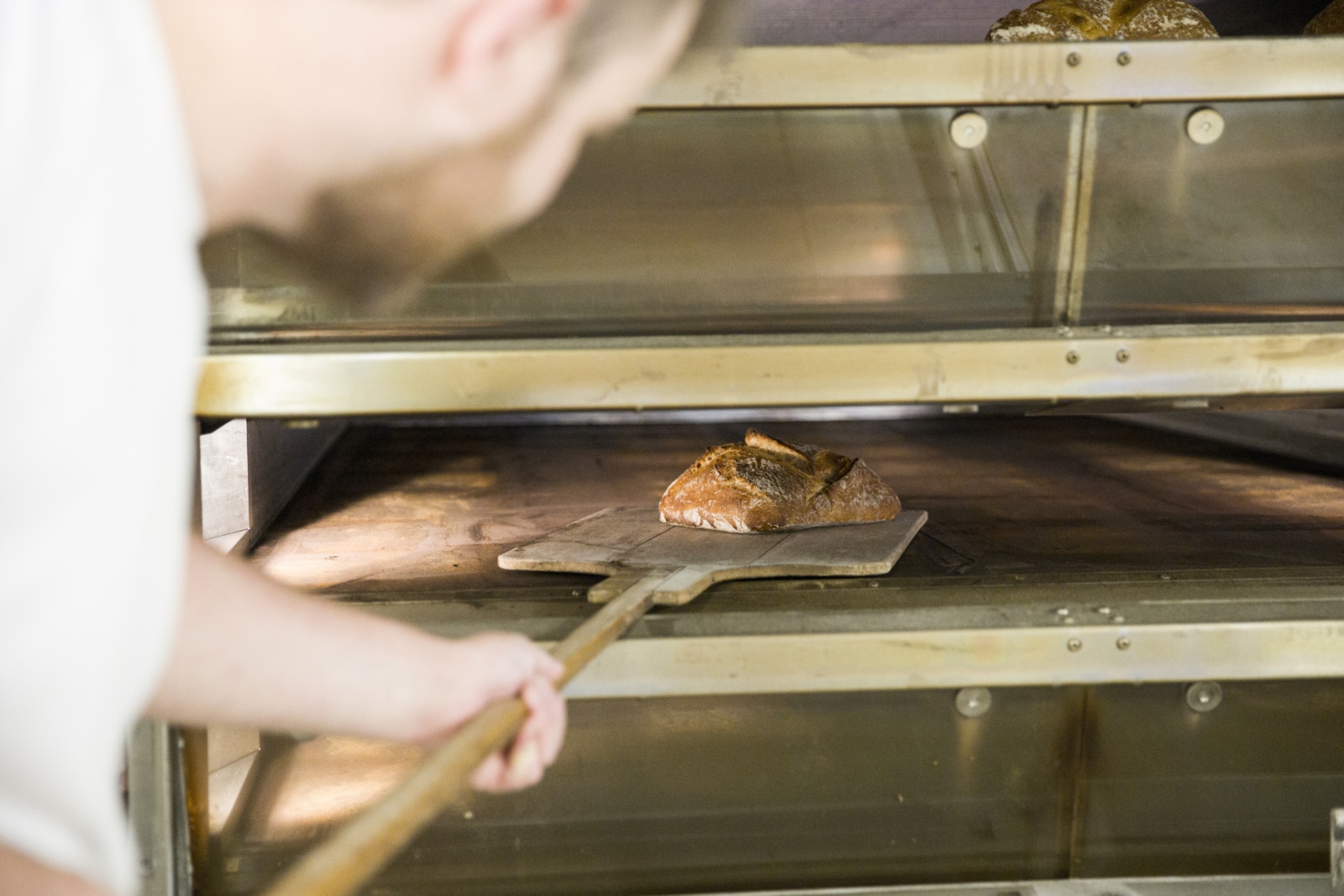
- Enjoy the Saturday morning market around City Hall—you’ll find everything you need for your weekly grocery shopping, all made with local products. Take some time to enjoy a coffee on a sidewalk café terrace.
- , a shop selling local products, at the tourist information office
- There are many local producers; here are a few specialities: rillettes and other products made with chicken or duck, black pork pâté…
Nature and biodiversity
Lake of L’Isle-en-Dodon: The shaded banks are a peaceful haven for small picnics, long naps—or the opposite! Enjoy a stay by the lake in the holiday village lodges.
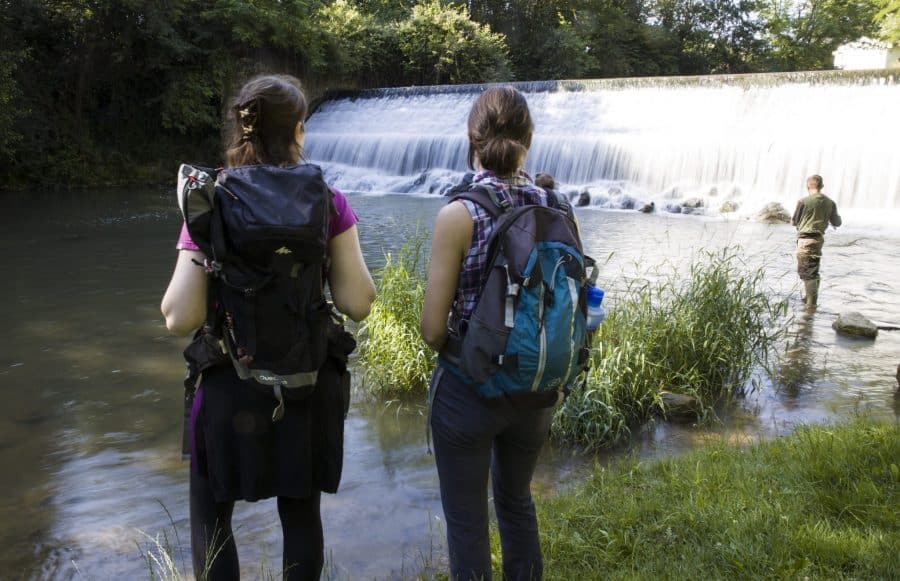
The Arboust dike: in summer, we love enjoying the coolness of the place! Picnic area on site. The Dike Trail to Saint-Roch Chapel takes you to the other side of town via stepping stones set in the Save at the dike—a pleasant 1.5-hour walk!
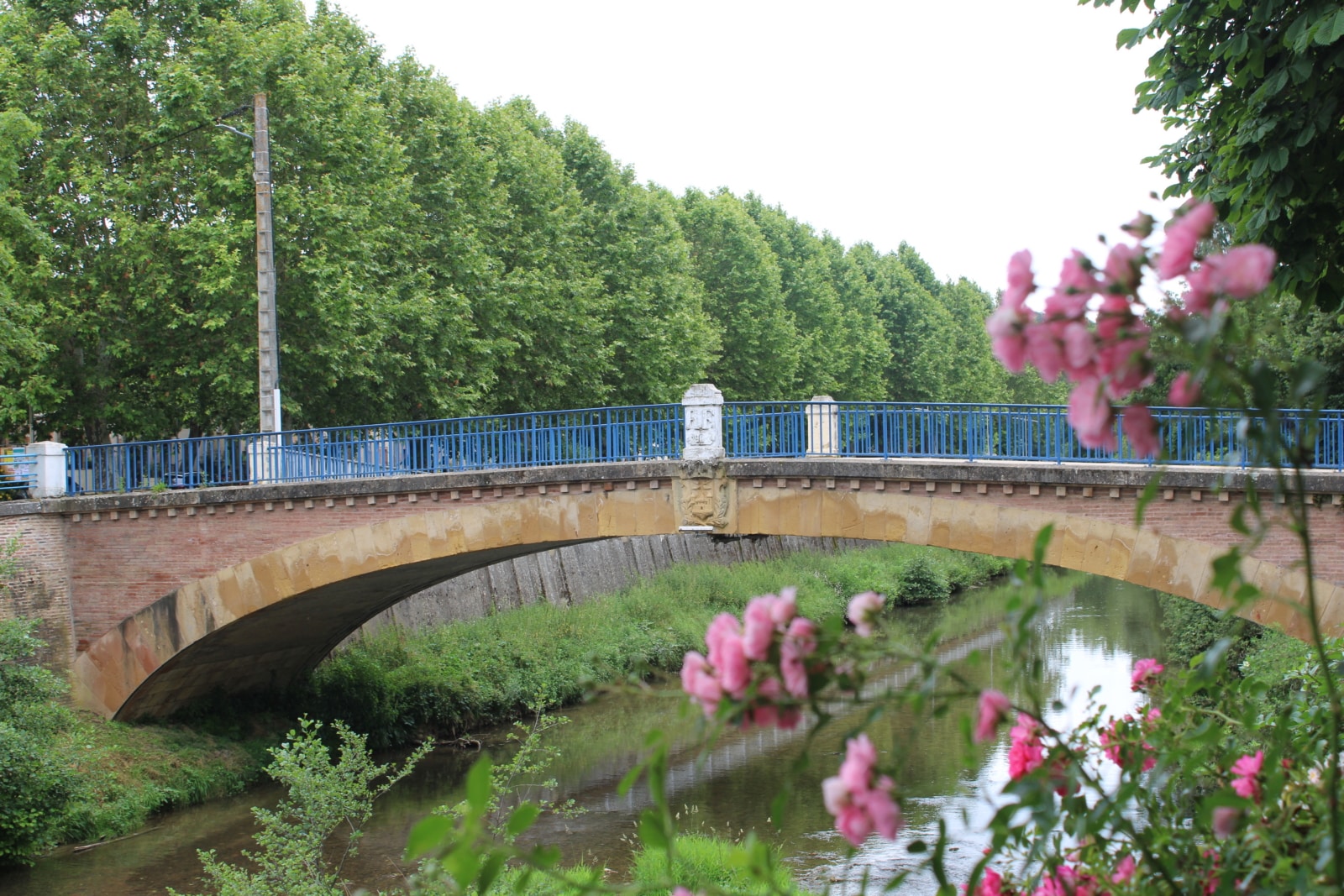
The “green path” or canal path: An urban trail linking the village to the lake.
Family time in L’Isle-en-Dodon
- Leisure centre: swimming pool, sports complex, pump track, outdoor sports facilities, tennis…
- Picnic by the lake after your market shopping
- Walk to the dike
- Toy library and media library
- Open-Air Cinema in the Hills and the L’Isle-en-Dodon Cinema
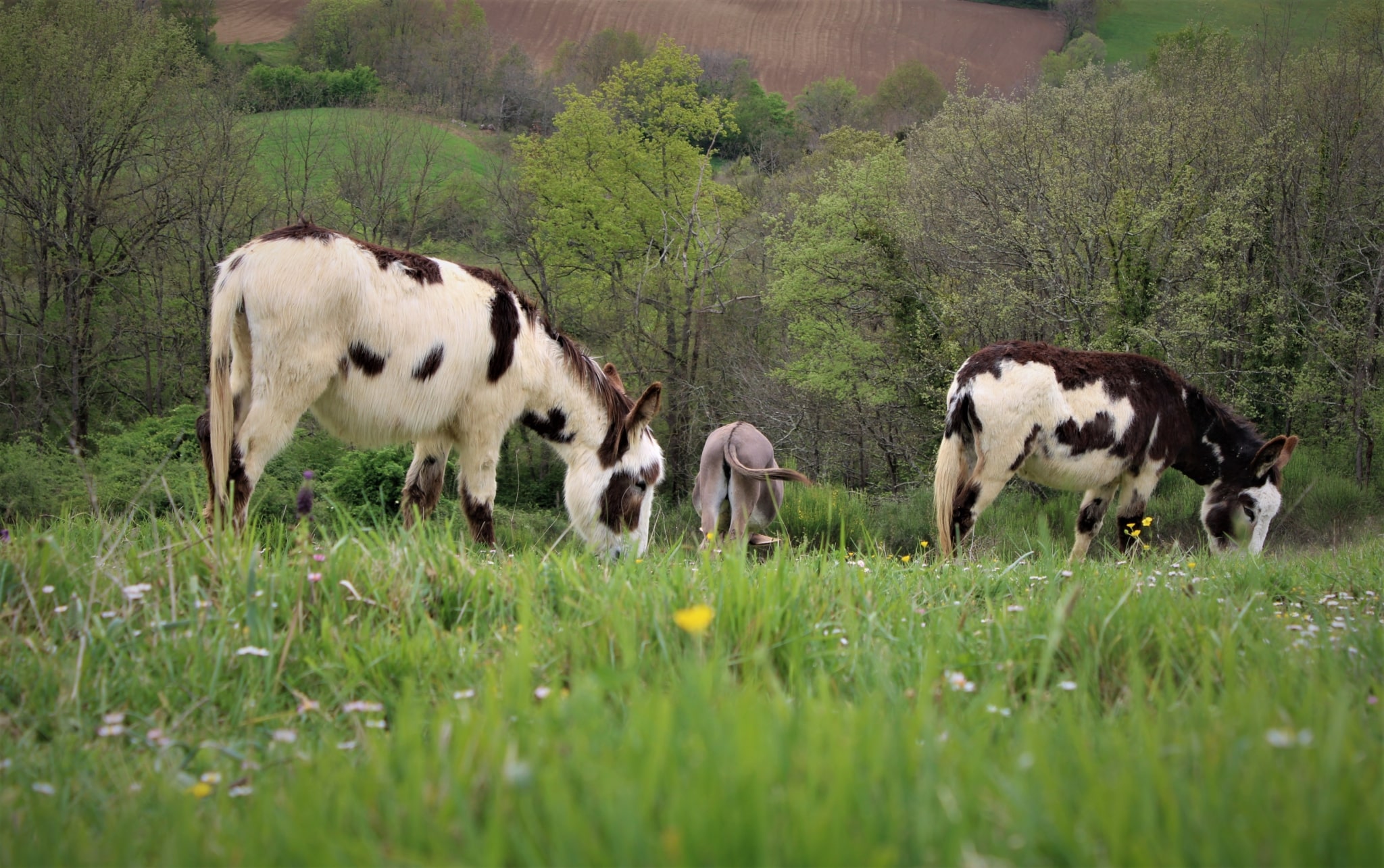
- Marquise & Co: 3 km (can be done by bike): enjoy a great time with the donkeys and try the Escargoline this summer on Wednesdays, Thursdays and Fridays in L’Isle-en-Dodon, and on other days in Anan. (Booking: 06 86 98 00 24)
- Orienteering course
- Scavenger hunts in the village
Plan Your Visit
DOWNLOAD OUR BROCHURES
How to get here without a car?
- LIO 365 bus from Toulouse (direct)
- LIO 342 bus from Saint-Gaudens (public garden), connection with the train from Toulouse, Bagnères-de-Luchon or Tarbes
Practical Information
- Hiking trails on rando.coeurcoteaux-commingesor on the free app RANDO COMMINGES
- Free parking (Prés Commun, lake, town hall, Place des Vétérans, Place des Marronniers)
Comminges Pyrénées Tourism Office – L’Isle-en-Dodon Information Office
36 Boulevard Des Martyrs de Meilhan, 31230 L’Isle-en-Dodon
Tel: 05 61 94 77 61 – info@destination-commingespyrenees.com